/
RSS Feed

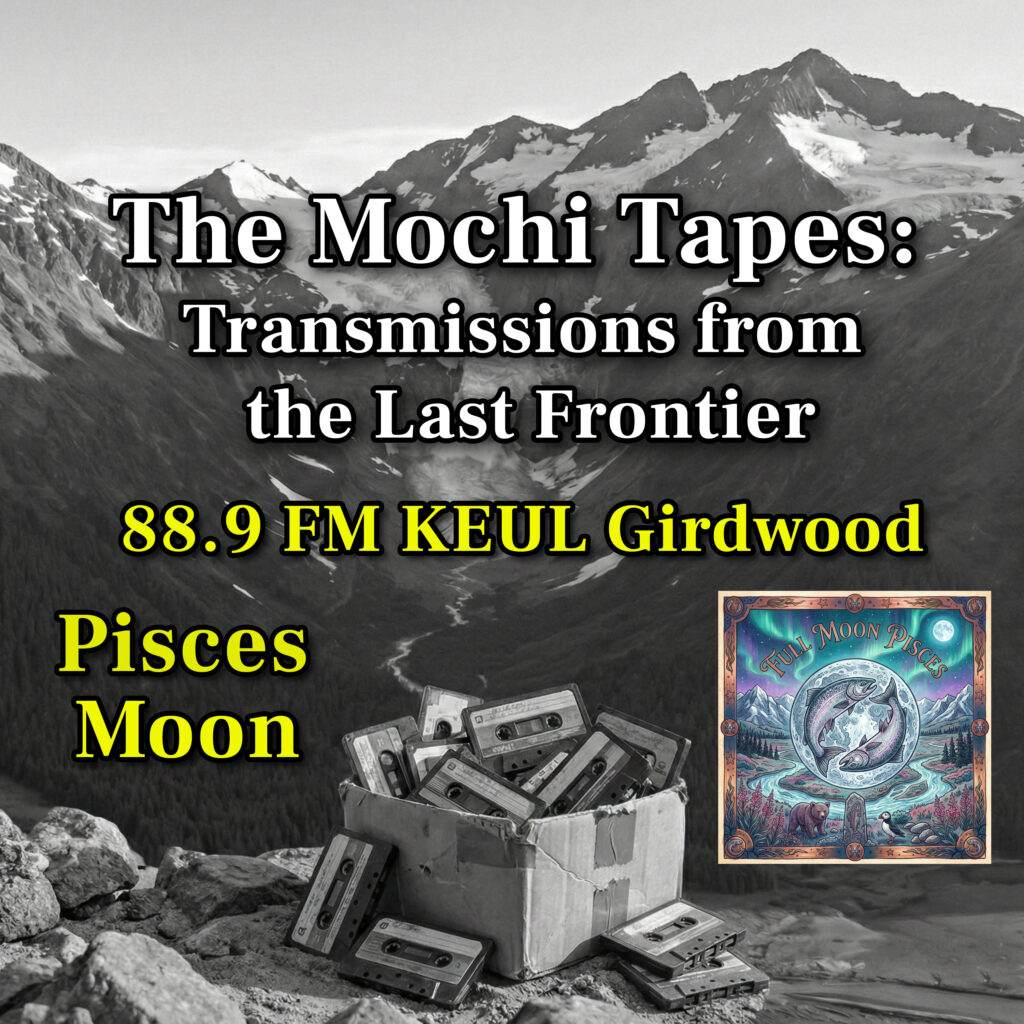
The broadcast aired on September 16th on 88.5 Glacier City Radio, helmed by the host Mochi, represents a profound exercise in radiophonic liminality that demands a rigorous cultural interrogation. Commencing at 6:12 AM and stretching through the transition to 9:34 AM, the session occupies the fragile intersection between night and day, framed by the host as a moment where a “beautiful full moon” in Aquarius sets in the west while the sun begins its ascent over the eastern peaks. This specific temporal window is utilized to curate a “trans-dance” environment, a sonic space designed for those either lingering in the warmth of their beds or stumbling into the waking world. A media historian must note the radiophonic entropy present at 7:16 AM, when Mochi misidentifies the date as September 15th before correcting himself at 7:28 AM to Tuesday, September 16th—a slip that serves as a symptom of the “moon-induced confusion” and “technical difficulties” that haunt the transmission. By repeatedly invoking the imagery of the “mellow vibrations” and the shifting light, Mochi establishes the radio waves as a site of spiritual and temporal transition, where the clarity of the dawn serves to dissolve the shadows of the previous night.
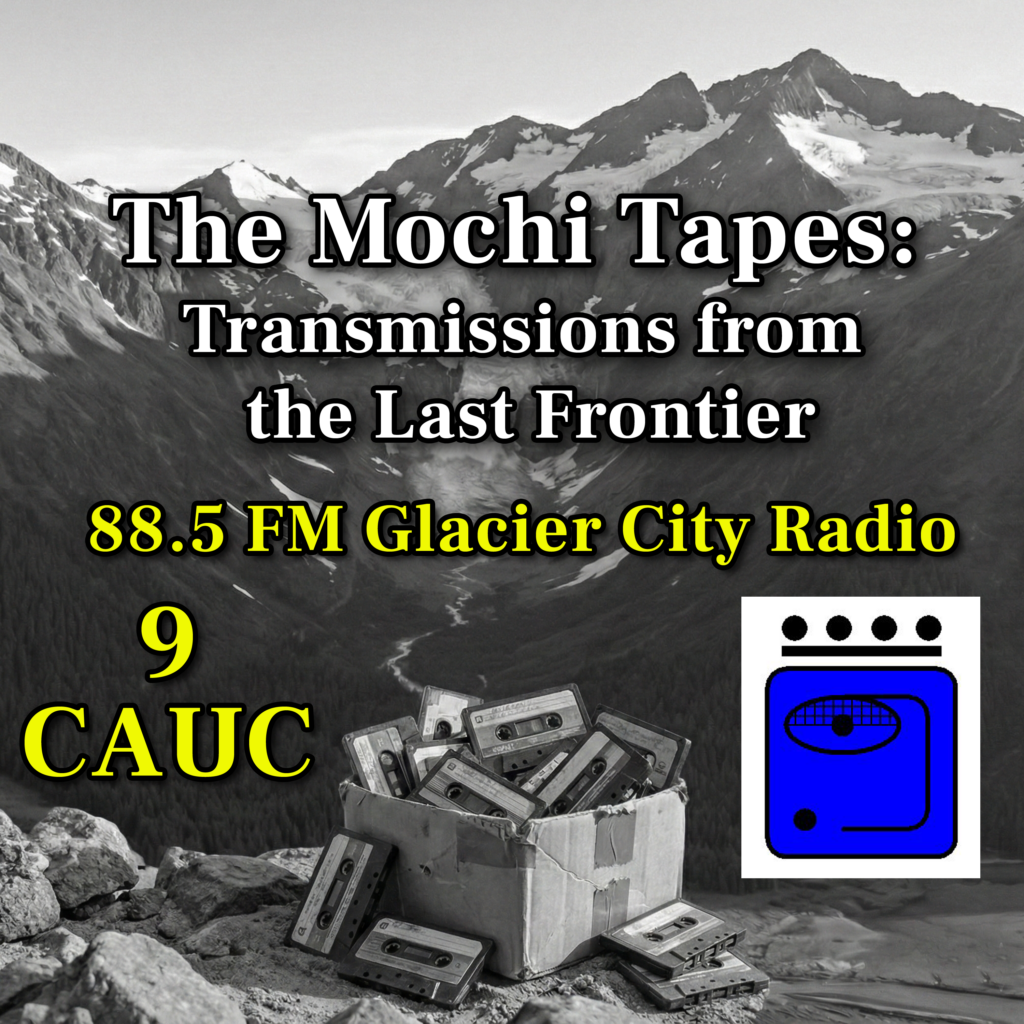
Within this atmospheric framework, a striking paradox emerges through the juxtaposition of esoteric galactic consciousness and the triviality of teenage audio drama. Mochi grounds the broadcast in the Mayan calendar’s “5 Sib,” a “portal day” characterized by the “Yellow Overtone Warrior” glyph, signifying the tone of empowerment and the capacity to commune with galactic intelligence. However, this high-concept spiritualism is immediately confronted by the “drama of struggle and victory” found in excerpts from the Sweet Valley High series. The snobbish and conniving maneuvers of Jessica Wakefield and Bruce Patman create a sharp friction against the day’s Sabian symbol, the 24th degree of Virgo: “Mary and her little lamb.” The critic observes how the “Yellow Overtone Warrior” manifests not in cosmic battles, but in the “tests of existence” faced by the characters—themes of ego, betrayal, and the manipulative “big girl games” played by Jessica. The “mouth-to-mouth resuscitation” joke by Bruce Patman and the cynical chemistry test maneuvering illustrate a reality where the ego feeds on the drama of struggle. This is synthesized musically through Ben Harper’s “I Shall Not Walk Alone,” where the plea to “reach for Mother Mary” directly invokes the Sabian symbol’s requirement for vibrant and pure simplicity amidst the “resolute efforts” of a difficult journey.
The musical collage interspersed throughout the morning acts as a subconscious commentary on these character interactions, moving from soulful pleas for communion to the raw biological imperatives of the late 20th century. The playlist’s trajectory from “sweet soul music” to the assertive sexuality of Salt-N-Pepa’s “What a Man” and George Michael’s “I Want Your Sex” mirrors the transition from the spiritual to the carnal. Lyrics like “I need your love like oxygen” and the frantic energy of “Jungle Love” serve as an ironic soundtrack to the manipulative high school dynamics. Mochi describes his role as utilizing “one divine hammer” to mix these disparate elements, allowing the “berserk” energy of the full moon to bleed into the pop-culture fragments. This approach is exemplified by the “Froggy” sequence, which bridges the gap between the “Pac-Man Fever” arcade energy and the day’s spiritual tests. The lyrics—”safe or swim,” “dodges and ducks,” and the command to “keep on hopping”—serve as a metaphor for the biological imperatives of survival. The broadcast reaches a peak of radiophonic liminality through the appearance of Bootsy Collins’ “Casper” persona. This is not the “friendly ghost,” but the “Holy Ghost” of the airwaves, a surrogate for the host who moves “from the microphone to the speaker” to mess with technology and address the audience from within the machine itself.
Despite the broadcast’s heavy focus on “cosmic force” and “galactic communication,” it remains rigorously anchored in the gritty, mundane realities of the local community. The high-minded pursuit of “vibrant and pure simplicity” is suddenly grounded by an APB for “AK,” a 5-month-old black lab puppy with a pink and purple collar, missing from the Gunny Sack area. The host’s insistence on community care is further reflected in the specific mention of Martha Massie’s contact numbers and the warning for drivers to slow down on High Tower Road, particularly at 3:00 PM when the school bus arrives. This synthesis suggests that true “communion with galactic intelligence” cannot exist in a vacuum; it must be reflected in the “nonviolent approach to all encounters” within one’s own small town. The mention of the library opening at 1:00 PM and the invitation to “say hello to Denise and Camila” provides the “spontaneous, fresh” counterpoint to the seekers of spiritual initiation. It is here that the Sabian symbol’s entreaty to “be like little children” finds its most literal application, bridging the gap between spectacular spiritual efforts and the quiet responsibility of community life.
Ultimately, the 88.5 Glacier City Radio session functions as a unified media collage that rejects traditional categorization, culminating in a final layer of surrealist complexity. The closing segments, featuring the brooding vulnerability of Lou Reed alongside the Star Trek “Gem’Hadar” tactical alerts, encapsulate the host’s vision of a “portal day.” In Lou Reed’s “Magician,” the lyrics regarding a body “simply rotting away” while remaining “young and vital” inside serve as a tragic, heavy counterpoint to the hollow “eternal youth” of the Sweet Valley High excerpts. In this space, the “Holy Ghost” of the airwaves meets the “berserkly full moon,” creating a critical environment where “everything is so clear” yet remains susceptible to “technical difficulties” and the inevitable decay of the physical form. As the broadcast concludes at 9:34 AM, it leaves the listener in a state of hyper-awareness, where the “one divine hammer” has successfully fused the cosmic, the commercial, and the local into a singular, hallucinatory radiophonic experience that demands the listener remain “young and vital” even as the “shaking shadows” of the mundane world close in.


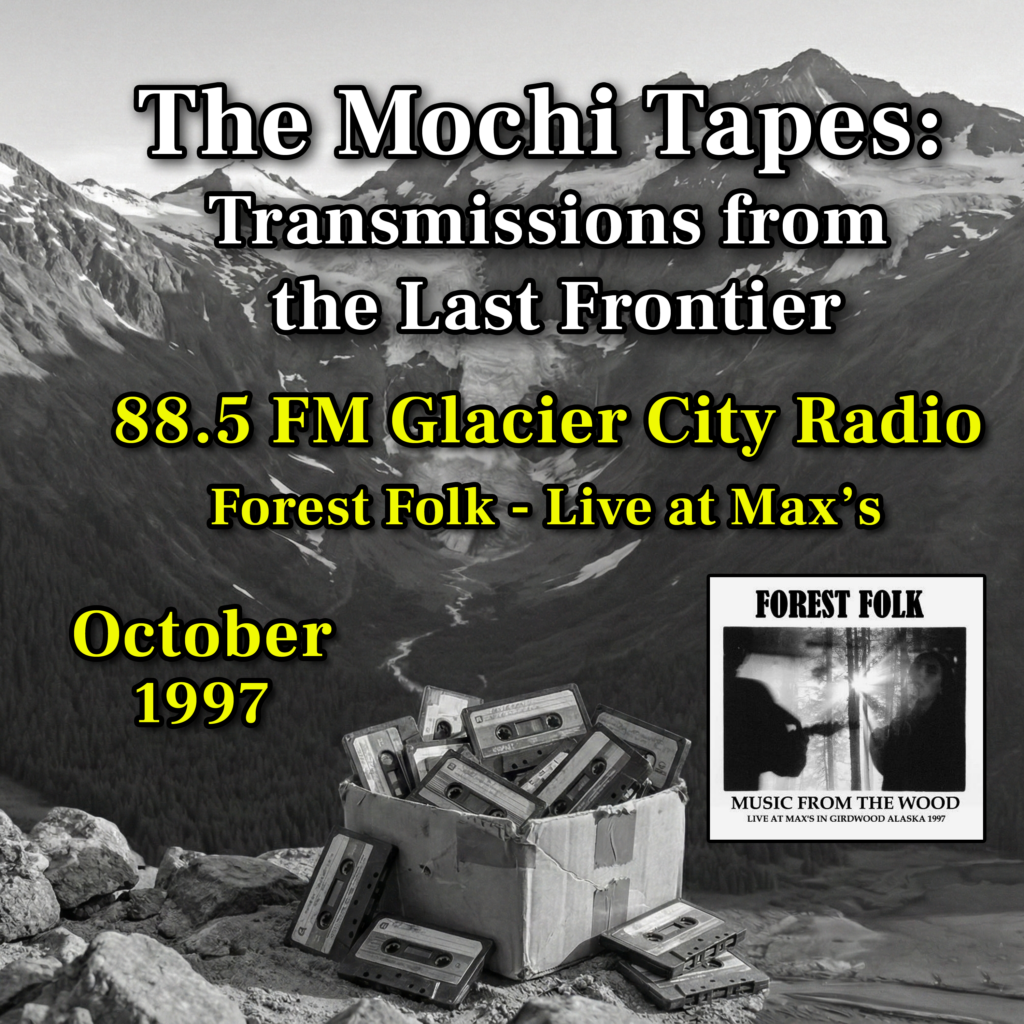
The recording begins with the unmistakable, low-level magnetic hiss of a late-1990s cassette, a sonic artifact found years later in a cardboard box within the quietude of a Girdwood cabin. As the needle of the archival history drops, we are transported to 8:14 AM on a Tuesday morning in the autumn of 1997. From the vantage point of a turret perched high above the valley floor, the broadcast of 88.5 Glacier City Radio breathes life into the Alaskan wilderness. Outside, the atmosphere is heavy with the ephemeral beauty of the North; a light mist clings to the trees while blue, streaky clouds drift lazily behind the peaks. Mochi, the voice navigating this early morning ether, observes a fresh layer of frosted powder on the glaciers—a silent, crystalline herald of the approaching winter. It is a morning that demands the warmth of a wood stove fire, an image of domestic sanctuary that contrasts sharply with the cold, rugged landscape visible from the station’s elevated windows.
This broadcast serves as more than mere entertainment; it is a vital piece of community infrastructure maintained by the Girdwood Community Club. Operating as a non-profit service dedicated to the cultural development and social interaction of Glacier Valley, the station invites its listeners to become active participants in its survival. A modest five-dollar donation sent to Post Office Box 29, Girdwood, Alaska 99587, ensures that the “finest music and local information this side of Bird Point” remains on the air. The logistical heartbeat of the station is felt in Mochi’s recurring plea for volunteers to occupy the daytime hours from 10:00 AM to 5:00 PM. By calling 754-2489, residents can transition from passive listeners to active curators of the valley’s soundscape. This communal spirit manifests in the tangible world through events like the upcoming silent art auction, spaghetti feed, and pie-baking contest scheduled for Saturday, September 13th. Hosted at the House of David and Lorie Sears on Timberline, such gatherings underscore the station’s role in weaving the social fabric of this isolated enclave.
As the broadcast shifts from local announcements to the haunting melodies of a “ghost ship” and “misty nights,” the narrative transitions into the archival drama of the Robinson family. The synthesis of these radio plays with the musical selection creates a profound meditation on the concept of starting over. We encounter the family—the young Francis, aged eight, his older brothers Fritz, nineteen, and Ernst, eighteen, and their parents—trapped in a cabin as a typhoon wrecks their vessel upon a reef. Their predicament mirrors the repetitive, urgent lyrics pulsing through the station: “The whole world’s broke. It ain’t worth fixing. It’s time to start all over.” The historian notes a striking parallel between the family’s flight from the Napoleonic wars in Switzerland and the ethos of a pirate radio station. The father’s defense of their journey—arguing that seeking freedom in a new colony like New Guinea is not “running away” but a brave attempt to redefine the world—echoes the station’s own existence as a self-governed voice in the Alaskan wild. Both are acts of survival, attempts to “break the cycle” and build a sanctuary far from the encroaching pressures of the outside world.
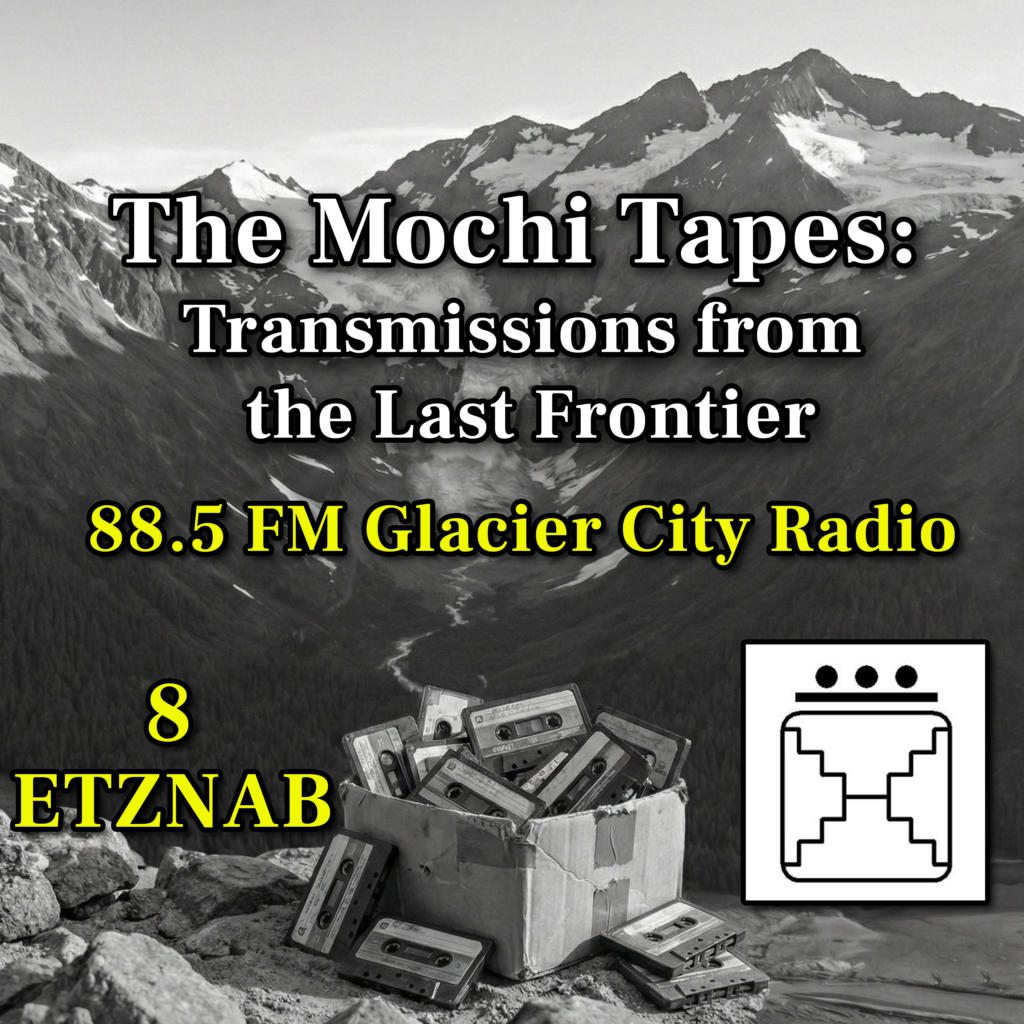
The musical landscape curated by Mochi is a rich cultural texture that oscillates between whimsy and deep, introspective gravity. The levity of a track like “Supercalifragilisticexpialidocious” provides a momentary respite before the broadcast plunges into the biting social commentary of Sinead O’Connor’s “The Emperor’s New Clothes,” where the lyrics explore the transparency of truth and the weight of personal conscience. The “fine music” of the morning is further punctuated by the rhythmic precision of Devo’s “Whip It” and the yearning vulnerability of Bob Dylan’s “I Want You,” creating a diverse sonic palette that reflects the complexities of life in the valley. This eclectic mix is bridged by Mochi’s metaphysical observations; referencing the 12 A date on the Mayan calendar and the 18th degree of Virgo, he likens the act of broadcasting to a Ouija board session—a method of reaching into another dimension to touch the lives of those listening in the mist. The DJ acts as a medium, translating the “emotional rescue” of the music into a shared experience for a scattered, isolated audience.
Ultimately, the legacy of these tapes lies not in the specific tracks played or the weather reported, but in what they reveal about the philosophy of the Girdwood community. The station’s core belief was that the music and information were secondary to the “real gift” of people working together toward a common goal. Every donation of time, equipment, or money was an investment in a collective quality of life, a defiant stand against the “separation” mentioned in the morning’s lyrics. As the sun finally rises over the valley, illuminating the frosted powder on the peaks and the streaky blue sky, the broadcast winds down, leaving behind a recorded history of communal resilience. The archive remains a testament to a time when, in a small turret overlooking the glaciers, a community found its voice and chose to start all over, together, in the new beginning of every Alaskan morning.

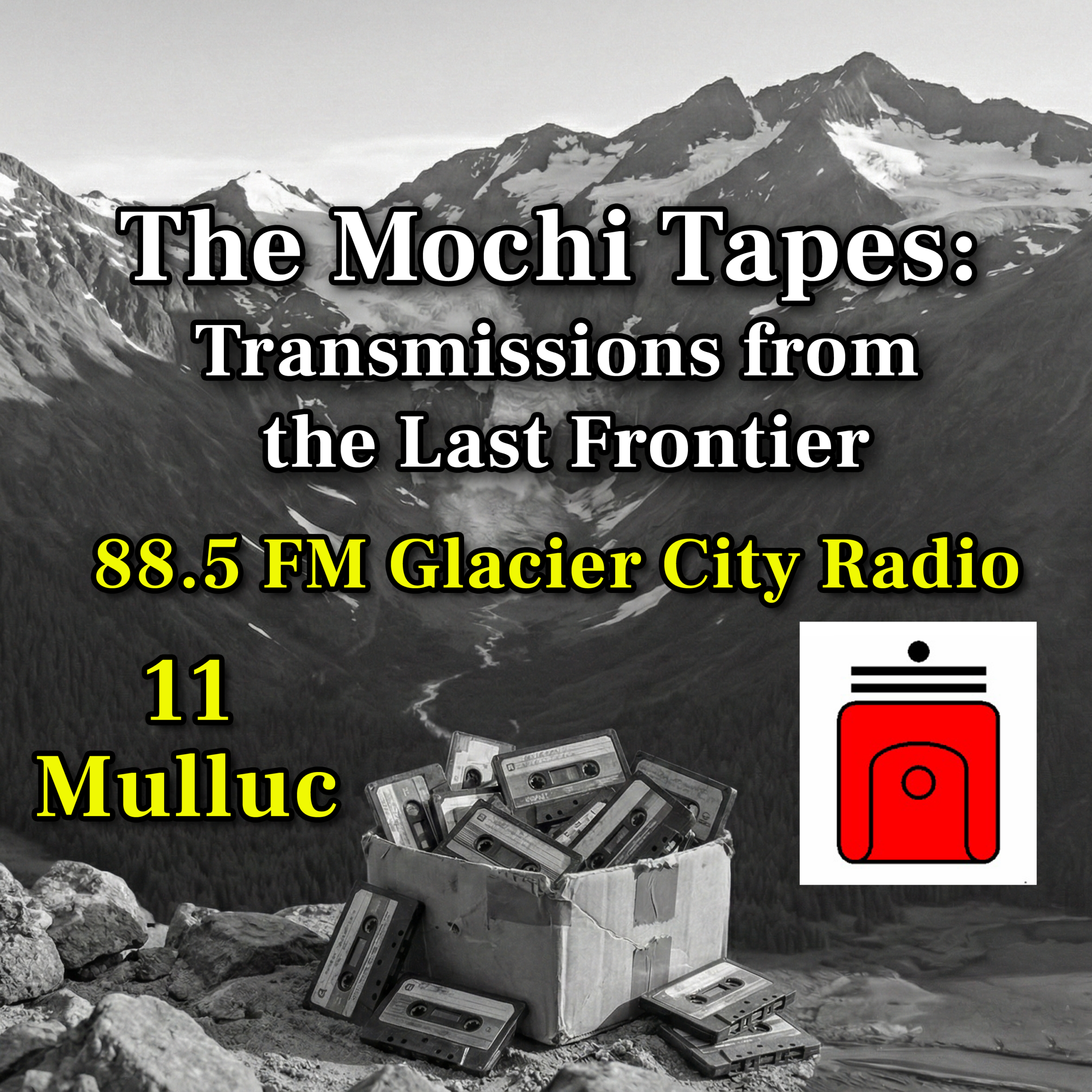
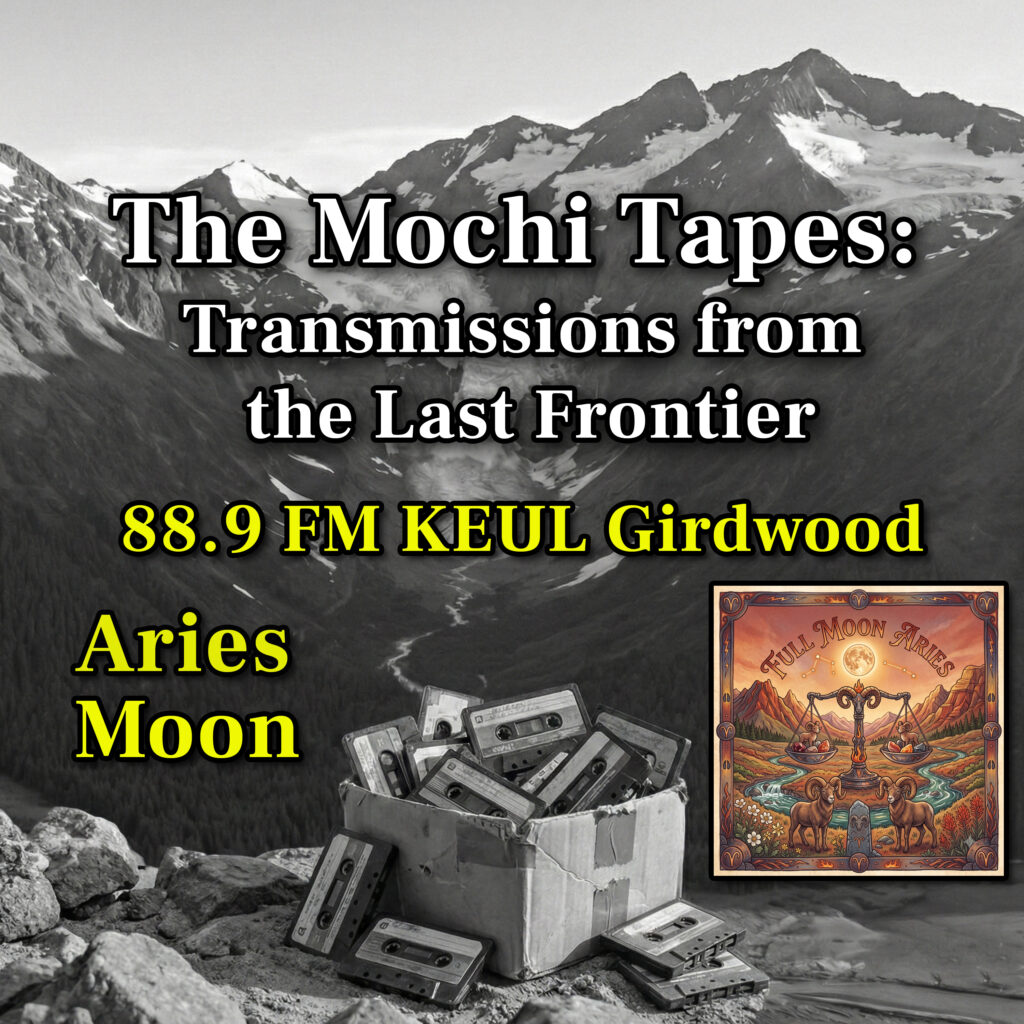
The early morning air of September 8, 1997, arrived in the Girdwood valley as a thick, multi-hued gray, a wet Alaskan Tuesday defined by a persistent rain that seemed to dissolve the edges of the jagged landscape. As the community began the slow process of crawling out of bed at 6:20 AM, the atmosphere was pierced by the mellow vibrations of 88.5 FM Glacier City Radio, a low-power pirate signal that served as the valley’s spiritual and sonic lighthouse. Through the heavy mist, the ancient glaciers would occasionally reveal their crystalline forms, grounding the ethereal broadcast in the raw physical reality of the Last Frontier. This specific broadcast began with a striking synchronicity, as the DJ known as Mochi noted that the day’s Mayan signature was 11 Muluc—the sign of the raindrop. This cosmic alignment between the literal weather falling on the Girdwood valley and the Mayan “cosmic seed” of awakened consciousness set a profound tone for the morning, suggesting that the falling rain was not merely a meteorological event, but a ritual of purification and communication for a town still half-submerged in sleep.
The source of these magnetic artifacts was a literal architectural beacon: the turret of a house owned by Lewis Leonard, which had been transformed into a vessel for the Girdwood Community Club’s experimental broadcast project. Operating this DIY transmitter was Mochi, a nomadic cultural worker who, at the time of these recordings, lived a precarious existence in a tent or a remote cabin. This contrast between the elevated turret and Mochi’s ground-level nomadic reality imbued the “Mochi Tapes” with a singular tension, acting as a bridge between the isolated residents of the ski town and a larger, more experimental world of thought. The station was more than a hobby; it was a communal hub where the “inner pressure” of life in the Alaskan wilderness could find a voice, broadcast from a turret that functioned as a site of both observation and transmission in a landscape that often felt indifferent to human presence.
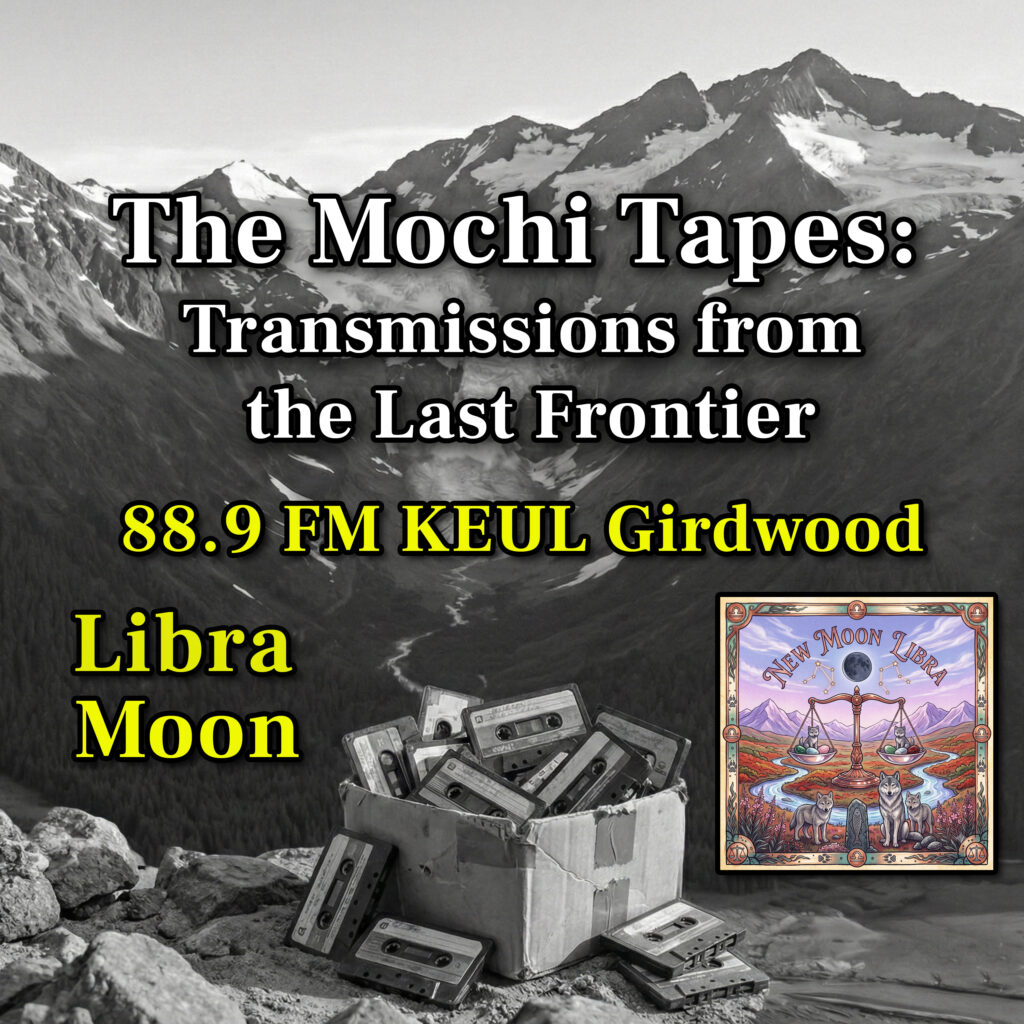
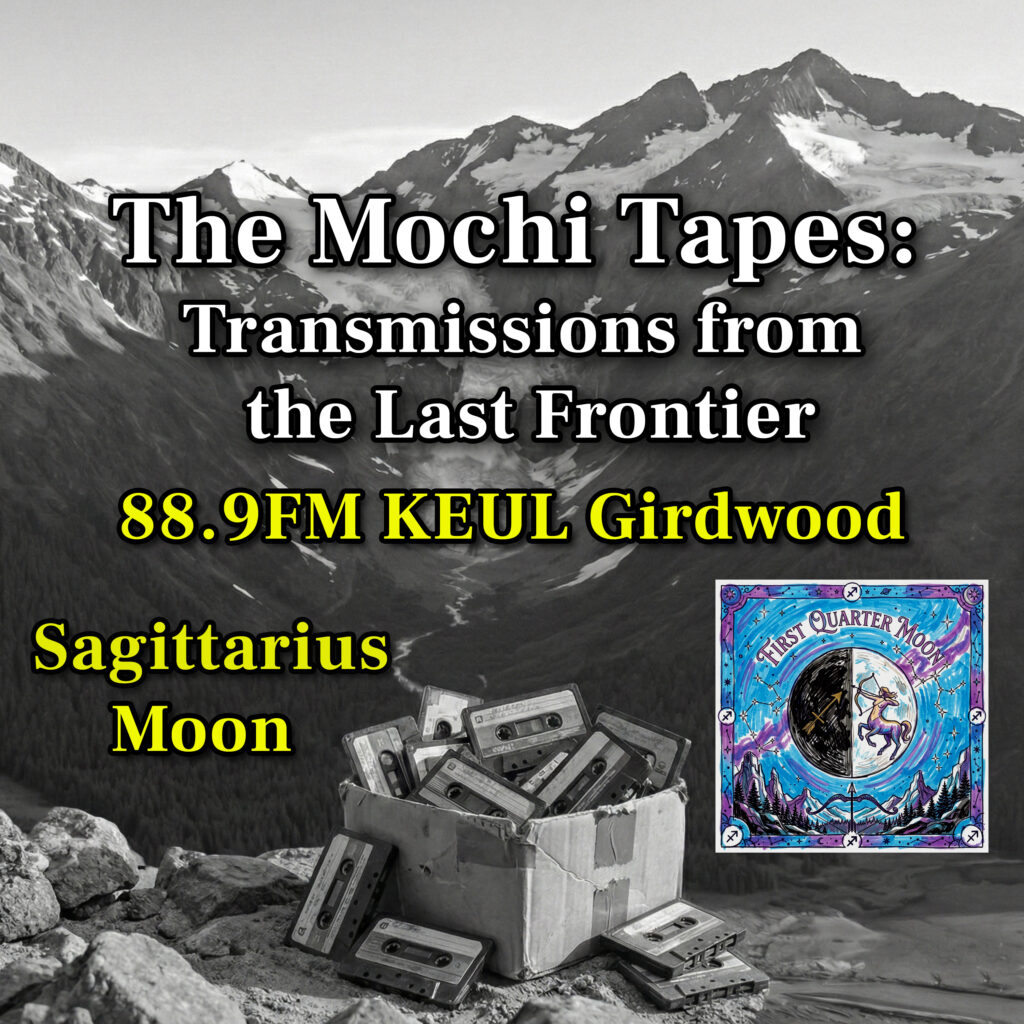
Mochi’s broadcast that morning was heavily dictated by the spiritual pulse of the day, weaving together the Mayan calendar with the evocative imagery of the Sabian symbols. With the moon sitting in Libra and the sun at the 17th degree of Virgo, Mochi interpreted the day’s symbol—a volcanic eruption—as a necessary and spectacular catharsis of the subconscious. He urged his listeners to view this explosive energy as a tool for liberation, a way to shatter the outer shell of egoic consciousness and release the repressed frustrations of the past. The soul, he argued, must become empty and translucent to reach a transfigured state, and the rhythmic rain outside served as the perfect metaphor for this “purification by fire.” In Mochi’s world, the act of tuning in was an invitation to let go of old patterns and embrace the “explosive energy” required to survive the dehumanizing effects of a broader capitalistic society.
This spiritual urgency was mirrored in a sonic tapestry that drew from the heights of 20th-century soul and rock, transforming the playlist into a ritual manifestation of the day’s themes. The broadcast moved from the deep, devoted longing of Bootsy Collins’ “I’d Rather Be With You” to the somber, existential weight of Pink Floyd’s “Time.” As the lyrics of the latter spoke to the “quiet desperation” of the English way and the terror of realizing ten years have slipped behind you, the music captured the specific anxiety of the late-90s underground. This mood was further deepened by the inclusion of The Clash’s “Straight to Hell,” with its haunting reflections on urban alienation, and the Italian survivalism of Vasco Rossi’s “Vivere.” Rossi’s lyrics, which describe the paradox of living even when one feels “dead inside,” resonated with Mochi’s earlier call for a transfigured state, while surreal lyrical reflections on being “scared of whoever this is living in my skin” underscored the morning’s introspective and occasionally darker musical mood.
Despite these soaring philosophical heights, the broadcast remained tethered to the tangible rhythms of the Girdwood community through local dispatches that grounded the metaphysical in the mundane. Mochi seamlessly shifted from the “spectacular catharsis” of the stars to the upcoming Girdwood Center for the Visual Arts (GCVA) silent art auction, scheduled for Saturday, September 13th. This community event, hosted at the home of David and Lori Sears, promised a spaghetti feed and a pie-baking contest overseen by “honest pie judges.” With tickets priced at ten dollars for individuals and twenty-five for families—and a local named Valia serving as the point of contact—these announcements served to remind the listeners that even amidst a volcanic eruption of the soul, the social fabric of the valley remained intact. It was a moment where art bargains and communal meals functioned as the practical application of Mochi’s higher-life principles.
Decades later, the discovery of these lo-fi dispatches in a discarded cardboard box within an old cabin offers a hauntingly preserved cultural time capsule of a specific Alaskan era. These tapes document the journey of an individual navigating the “inner pressure” of time and change through the medium of pirate radio, providing a permanent record of a Tuesday when a nomadic DJ could still hold the collective attention of a community waking up amidst the mist. The Mochi Tapes are more than just a playlist; they are the audio remains of a transfigured state of media, captured before the nomadic movements of the host and the inevitable march of time took hold. As the rain eventually ceased over the glaciers back in 1997, these recordings remained, serving as a testament to a moment when the airwaves of 88.5 FM were the only thing keeping the quiet desperation of the world at bay.

At 7:44 AM on Tuesday, September 2, 1997, the airwaves of 88.5 Glacier City Radio—a pirate station broadcasting from a turret on a house in the ski town of Girdwood, Alaska—began to vibrate with a specific, caustic energy. The host, Mochi, opened the broadcast as the sun started its climb over the mountain peaks, grounding the morning in the astrological context of the 10th degree of Virgo. This day’s glyph, characterized by two heads looking out and beyond the shadows, served as the foundational metaphor for a world struggling to transcend duality while still deeply immersed in it. As a media historian looking back at these tapes found in a cardboard box in a valley cabin, one can hear the DIY grit of the era in the technical glitches and the raw, unpolished transitions that defined the Girdwood Community Club’s pirate project.
The broadcast immediately confronted the global mourning of Princess Diana, utilizing the Virgoan “two heads” metaphor to analyze the fracturing duality of celebrity and the masses. Mochi argued that as humanity worships these external icons, we dissipate our own divinity, creating a modern pantheon of martyrs who are built up and torn down within a single generation. This loss represents a moment where society is running out of objective absolutes, reaching the limits of the material realm. The hunger of the paparazzi is framed not just as a tabloid pursuit but as a destructive force that has consumed the coveted, leaving the cultural source anchorless. In this 1990s paradigm shift, the host urged listeners to wake up to the “celebrity within” rather than chasing the shadow of a demigod desperately fleeing the vicarious demands of a stagnating soul. The death of Lady Di is positioned as a catalyst to stop asking how the world works and start asking what is possible.
This transition from cultural mourning to internal seeking moved through what Mochi called the vibrational tones of the “fire,” a concept synthesized through the lyrics of Lou Reed. The archivist notes the repetitive vocal tic of “Heat” that punctuated the set, signaling a move into a space of purification. To pass through this fire, one must navigate a maze of self-doubt, moving through stages of being humble, feeling arrogance, experiencing hurt, and finally embracing self-deprecation. This fire is described as an all-consuming force where the seeker must start from zero over and over again as the smoke clears. Yet, this is not a destructive wall but a door identified as passion. One cannot remain the same after the fire licks their lips; they must instead learn to savor the magic that allows them to survive their own internal wars, acknowledging that there is always some loss to even things out.
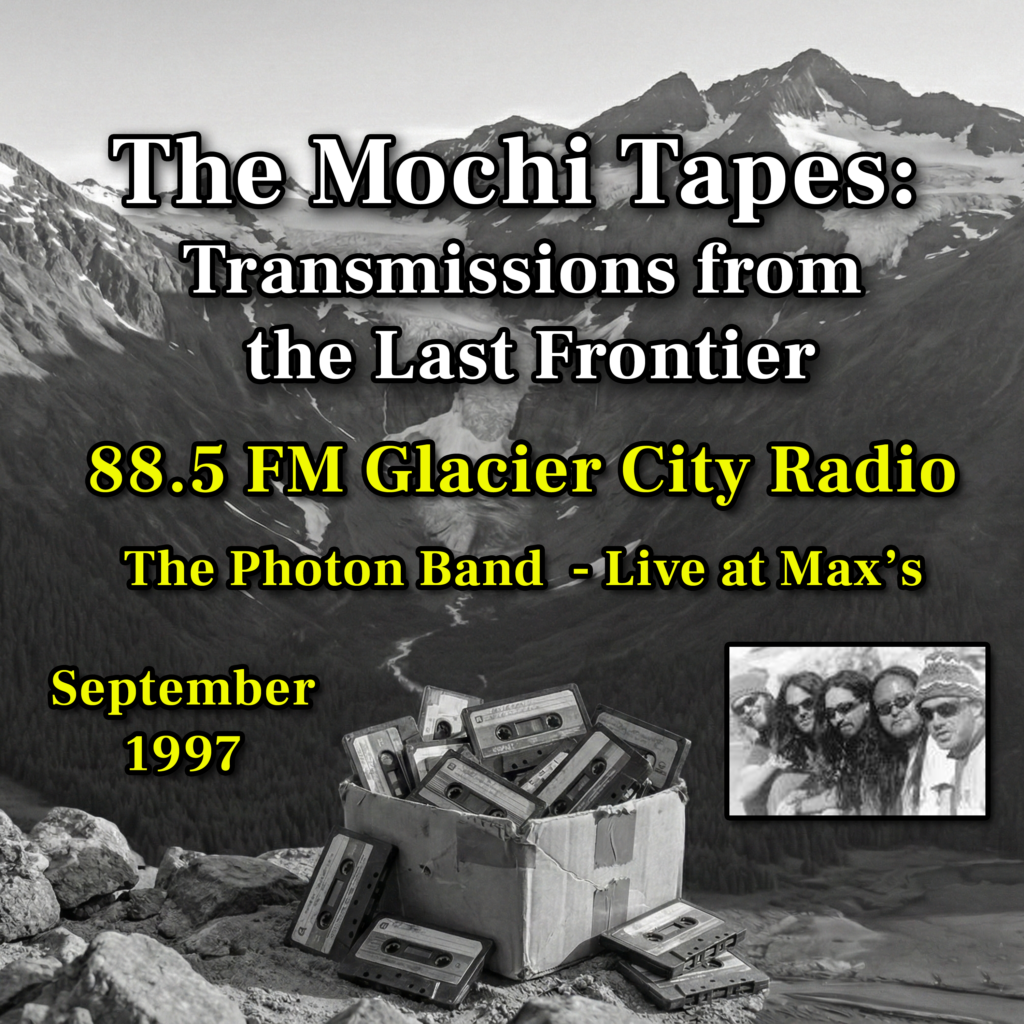
The philosophical weight of the morning was tethered to the hyper-local rhythms of the Girdwood valley. Between tracks, Mochi shared the mundane and the musical, noting that the Girdwood library was facing an unforeseen closure, which pushed the deadline for children’s summer reading charts to Wednesday, September 3. Listeners were encouraged to send public service announcements to Post Office Box 29 or call 754-2489—the “Ski City” line—to train as DJs. The host’s own voice carried the exhaustion and inspiration of a recent road trip, mentioning a four-o’clock-in-the-morning piano jam captured on a Walkman at the Fairview Inn in Talkeetna. This was contrasted with a “mysterious” live recording of the Photon Band’s original tune, “Mystic Traveler,” taped in Homer a couple of weeks prior. Even the human errors of the broadcast added to the archival texture, such as when Mochi had to skip an Indigo Girls track after spotting an “orange label” indicating a dirty word, pivoting instead to a different Amy Ray song to keep the morning’s frequency stable.
As the broadcast neared 9:00 AM, the music of Roger Waters, Lou Reed, and Kurt Cobain was played as a deliberate funeral rite—a sonic burial of the celebrity symbol within the collective consciousness to make way for an emerging divinity. Mochi framed these sounds as a tribute to the “martyrs of our generation,” asserting that every death is also a rebirth into a new paradigm. The final reflections of the morning emphasized that while the material world may burn or move toward a final “sunset,” there remains a bit of magic in everything. The broadcast closed with the invitation to “rock” into the unknown, leaving the Girdwood listeners to watch the sun fully crest the peaks as the pirate signal hummed with the potential for internal transformation.


The historical record of the figure known as Mochi begins with a discovery made deep in the Girdwood Valley of Alaska. Inside a weathered cardboard box tucked away in an old cabin, a series of cassette tapes preserved a sequence of broadcasts that pre-date his later, more polished work on pirate radio. This specific transmission, captured through the audible hiss and magnetic wobble of a 1996 tape, documents Mochi’s transition from the wilderness of Sitka to the gray, rainy streets of the Seattle megapolis. At the time, Mochi had taken a position as a vendor at the Seattle Kingdome, utilizing his vantage point among the masses to document the waking dream of civilization. To the archivist, these recordings are more than just audio; they are the vibrational frequency of a soul navigating the concrete expansion of the Pacific Northwest, looking through the lens of a society that he believed was fundamentally disconnected from its own nature.
Mochi’s assessment of the urban environment is a bleak synthesis of spiritual decay and architectural stagnation. He describes a city where buildings rise into the gray sky, surrounded by elevated roads choked with rushing automobiles heading in opposing directions. Below these monuments of economic duty, the harbor water sits stagnant, filled with foul and floating debris. He notes the presence of a lone totem pole standing in a park, where the descendants of the land’s original ancestors sit as reflections of the urban blight rising around them. From Mochi’s perspective, the people walking the paved waterside, busy buying trinkets and food, are domesticated animals. They gaze past the ferries and giant cranes toward the cloud-rimmed, snowcapped mountains on the opposite side of the sound, yet they remain enslaved to a system of addictive anxiety. He argues that this civilization process replaces the authentic person with a conformed pattern, leaving the soul in a state of perpetual incompletion, forever out of reach of maturity.
The tension of this period is most visceral in the rhythmic, staccato paradox of his labor within the Kingdome. As Mochi broadcasts, his philosophical ruminations are interrupted by the mechanical requirements of the exploitative capitalistic system. He calls out to the well-fed, overbred herd: Ice cold Pepsi here. Regular or diet? Three dollars. Pass it down. One for you. Straws go down. This repetitive exchange of sugar water for cash becomes a ritual of the waking nightmare he seeks to expose. To Mochi, the baseball game is a sanitized reality where emotions are wasted on the manufactured drama of winning and losing, leaving the participants empty and craving more. He laments that all danger has been reduced to a square they must pass through on the way to their parked isolation mobiles, which shuttle them from box to box behind locked doors and glass windows. The very concrete that paves over the earth becomes the floor of his professional cage, where he must facilitate the consumption of packaged limits while his soul cries out for the mountains across the water.
The cultural backdrop of the transmission is defined by a soundscape that Mochi interprets as the contrails of steel birds—symptoms of a population trying to reach a state of completion that remains out of reach. He weaves in the vibrations of the era, from the rebellious grit of the Wu-Tang Clan to the defiant ease of Sublime. He listens to the Wu-Tang lyrics regarding housing projects, crooked cops, and the “virus design” of the city, seeing them as evidence of a “concrete hell” where the seeds of the next generation grow up in the same cycle of incarceration and division. This atmosphere of mass insanity is punctuated by the banality of local radio drama. He records the chatter of DJs and callers named Calvin, Jason, and Susie, whose conversations about shifting names and shifting loyalties represent the “trickster” celebrity culture. He specifically highlights the absurdity of their banter regarding a tart that cannot be made because there are no eggs for the crust. As the DJs lament that the conversation is not compelling radio and makes them want to kill themselves, Mochi sees the ultimate evidence of a society that needs drama to keep its blood boiling because it has no authentic connection to the divine.
To escape this cycle, Mochi begins reading from a segment titled Suburban Aborigines, offering a manifesto for reclaiming the individual soul from the “mad men” of mass media. He describes his own desperate reality—living in a crack house with locks on the fridge—as the catalyst for his demand for a better life. He urges his listeners to stop giving money to the systems that exploit them, suggesting they stop buying alcohol and McDonald’s to instead brew their own beer and grow their own food. His directive is to slow down, go back to basics, and step into the unknown with nothing but faith in the natural process. He argues that wealth is an illusion and that the more elaborate one’s material excess, the larger the hole in the soul becomes. Mochi’s ultimate desire is to find a community of love and a core group of intelligent people willing to discipline their addictive selves. He concludes that security is found not in fancy houses or expensive clothes, but in the simple essentials of food, clothing, and shelter. For Mochi, death is only feared by those who are not living awake, and his final call is to reclaim the individual’s integrity from the proxies of the state and the sirens of the city.


The discovery was unremarkable at first—a weathered cardboard box tucked into the corner of a cabin deep in Alaska’s Girdwood Valley. Inside, a collection of cassette tapes recorded by a man known only as Mochi sat in silence for decades. Most are relics of 1997 and 1998, recorded at 88.5 Glacier City Radio. But one tape stands apart. It is a ghost from a year earlier, 1996, sent from a different wilderness.
Before the “Glacier City” era, there was the Indian River in Sitka. There, from a damp tent pitched in the coastal forest, Mochi launched “KMIC 420 on your PM Brainwave.” It wasn’t a broadcast meant for the masses; it was a pirate transmission bleeding out into the rainy woods, a lo-fi signal intended for whoever might be tuned to the same frequency of solitude. In an age of permanent connectivity, these tapes offer more than nostalgia—they provide a resonant reflection on the human urge to roam and the radical necessity of being “all alone.”
The Sitka broadcast is a masterclass in atmospheric field recording. Mochi captures a landscape in the throat of transition. He speaks of a rare “summertime” window—six days of jaw-dropping blue sky, sunshine, and Milky Way nights—but then describes the inevitable shift. The “bubbles popped,” he says, and the rain returned. Through the hiss of the tape, you can almost feel the humidity.
Instead of mourning the end of summer, Mochi finds a rhythmic grace in the decay. He describes the dying fish in the creek, their carcasses rotting in the water, not as a tragedy but as a visceral connection to the world’s changing state. The “mountain beyond the trees is just mist,” and the feet are “in the grass until it gets dark.”
“We’re approaching the equinox. Night’s bringing her blanket up. All the fish are dying and their carcasses are rotting in the creek.”
Heat. Heat. Heat. Heat. Heat. Heat. Heat.
As an archivist, one finds beauty in the inaccuracies of the “pirate” medium. During the broadcast, Mochi plays a track he attributes to Lou Reed, riffing on the spirit of the “adventurer.” In reality, the spirit and the story belong to the folk legend John Hartford—whom Mochi later admits to having met. This confusion doesn’t weaken the message; it strengthens the “found history” aesthetic. Mochi is a man in a tent with a microphone and a stack of records, not a librarian.
He uses the song to dismantle the elitist walls around “adventure.” To Mochi, the title doesn’t belong only to the great explorers; it belongs to Chuck, Tony, Mama, Katie, Patty, and the listener. An adventurer is anyone seeking “truth and beauty” or the “perfect tone.” Whether you are “Roman” (roaming) or “home right now,” the quest is the same.
“You’re an adventurer… seeking out the perfect tone… the momentary flicker of a candle… Did you find that sphere of knowledge that eluded you in college?”
There is a profound irony in Mochi’s use of radio technology to celebrate his lack of it. He expresses a counter-intuitive joy in his isolation, a sentiment that feels like a transmission from a lost civilization in our current era of 5G saturation. “We’re all alone cuz I don’t have a cellular phone,” he declares, a line that serves as both a flex and a philosophy.
In the “PM Brainwave”—a state of creative, nocturnal solitude—Mochi describes “shaking the woods with the sounds of my dancing feet.” He is joined only by “Kitty.” The tape leaves Kitty’s identity to the listener’s imagination—a traveling companion, a local stray, or perhaps just a name for the silence. Regardless, the scene of Mochi and Kitty in the damp tent represents a radical contentment found in the “PM mindwave,” a frequency where you don’t need a song to dance; the vibration of the rain is enough.
The soundtrack of KMIC is a “jigsaw jazz” of 1996 culture. Mochi weaves Beck’s “Where It’s At” with the “whales of Amy Ray” drowning out the rain during a cover of Neil Young’s “Down by the River.” It is an eclectic synthesis designed to generate internal warmth against the Alaskan chill.
Throughout the broadcast, Mochi uses the word “Heat” as a rhythmic, hypnotic punctuation. It isn’t just a word; it’s a meditative mantra.
Heat. Heat. Heat. Heat. Heat. Heat. Heat.
He is generating spiritual heat to combat the dampness of the Sitka woods. By blending PM Dawn with the sounds of the Indian River, he creates a “delightful” energy that proves a vibe can be a physical shield against the elements.
The most poignant takeaway from the KMIC tapes is the necessity of transience. Mochi mentions he has “10 more days” in Sitka before he heads south. This isn’t a retreat; it’s a “necessary adjunct” to the life he has chosen. He loves the “right spot” by the river, but the urge to move—the “Roman” spirit—is what keeps the soul from stagnating.
This final broadcast from Sitka is a goodbye to the trees and a promise to “spread the vibe” on the road. His parting words are a rhythmic, hypnotic blessing for those still seeking their own frequency.
“Peace make peace. I will be the man you seek. Peace make peace. I will be the man you seek.”
Mochi’s 1996 transmission is a manifesto for the unencumbered life. It reminds us that perspective is the only true currency we have. In the closing moments of the tape, he reflects on a life that didn’t follow the “right side of town” trajectory, noting with bittersweet clarity: “If I was born on the right side of town, I would have never met you.”
As the hiss of the tape fades, we are left with the story of Chico. Mochi recalls seeing him on top of a water tower with a rifle, shooting not at people, but at the sky. When asked why, Chico’s answer serves as the final, haunting epitaph for the pirate radio spirit: “I used to shoot for them. Now I just shoot at them.”
In 2024, as we drown in a sea of notifications, the KMIC tapes ask us if we have lost the “PM Brainwave” entirely. Or is it still out there, somewhere past the habitations of the towns we know, waiting for us to put our feet in the grass and find the perfect tone?
Heat. Heat. Heat. Heat.